

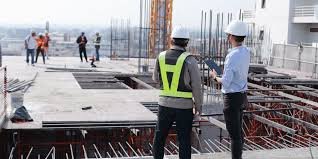
Before any building rises, before concrete is poured, and even before the foundation is designed, there is one critical step that determines the success of the entire project — soil testing. While it may seem like a small preliminary task, soil testing plays a vital role in ensuring structural stability, safety, and long-term performance of any construction project.
In civil engineering services, the strength of a structure is not just defined by the materials used above ground, but by the conditions below it. Ignoring soil investigation can lead to serious structural failures, costly repairs, and even complete project failure.
What is Soil Testing?
Soil testing, also known as geotechnical investigation, is the process of analyzing soil properties to determine its suitability for construction. Engineers study factors such as:
- Soil type (clay, sand, silt, gravel)
- Bearing capacity
- Moisture content
- Density and compaction
- Shear strength
- Settlement characteristics
These properties help engineers design foundations that are safe and efficient.
Why Soil Testing is So Important?
1. Determines Foundation Type
Different soils require different foundation systems. For example:
- Strong soil may support shallow foundations
- Weak or loose soil may require deep foundations like piles
Without soil testing, selecting the right foundation becomes guesswork — which is extremely risky.
2. Prevents Structural Failures
Poor soil conditions can lead to:
- Uneven settlement
- Cracks in walls and floors
- Tilting of buildings
- Foundation failure
Soil testing helps identify these risks early so engineers can design solutions before construction begins.
3. Ensures Safety
Safety is the top priority in civil engineering. Buildings constructed on weak or unstable soil can become dangerous over time. Soil testing ensures that the structure is built on a safe and stable base.
4. Saves Cost in the Long Run
Skipping soil testing may save money initially, but it often leads to expensive repairs later. Foundation issues are among the most costly problems to fix.
Proper soil investigation helps:
- Avoid redesign
- Reduce construction errors
- Prevent future damage
- Optimize foundation design
5. Helps in Planning Construction Techniques
Soil conditions affect construction methods. For example:
- Waterlogged soil may require dewatering
- Soft soil may need ground improvement
- Rocky soil may require special excavation methods
Knowing soil conditions in advance helps engineers plan the construction process efficiently.
What Happens If Soil Testing is Ignored?
Many construction failures around the world are linked to poor or no soil investigation. Common issues include:
- Foundation cracks
- Building settlement
- Structural instability
- Increased maintenance costs
In extreme cases, buildings may become unsafe or collapse.
Conclusion
Soil testing is not just a technical requirement — it is the foundation of every successful construction project. It provides critical information that helps engineers design safe, stable, and cost-effective structures.
In civil engineering, every great structure starts with understanding the ground it stands on. Without proper soil testing, even the strongest building materials cannot guarantee long-term stability.
In simple terms, if the soil is not right, nothing built on it will be right.